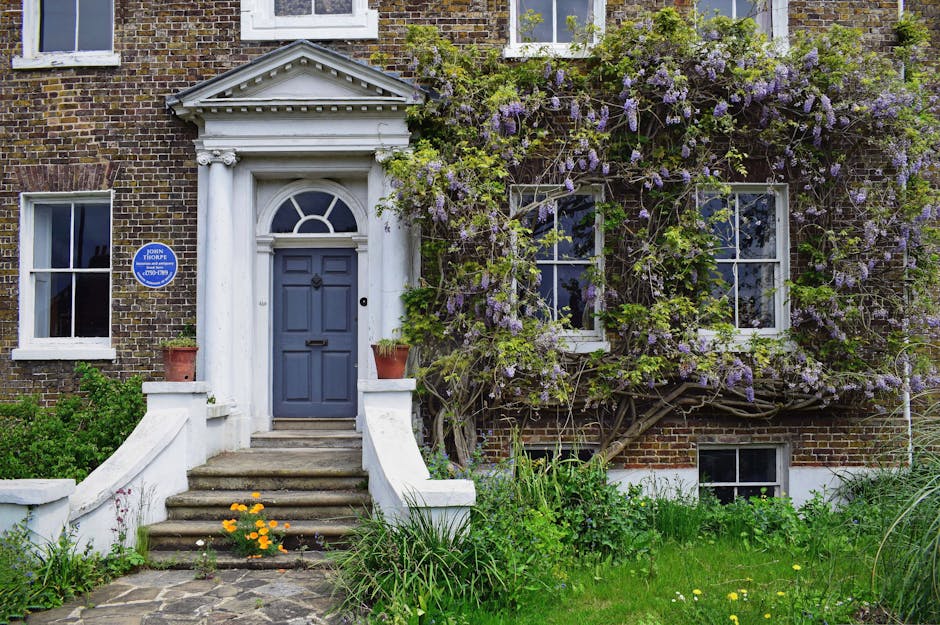
Wood Green High Road Gardeners Local Guide to Front Gardens
If you live near Wood Green High Road, you already know the front of a home does a lot of heavy lifting. It is the first thing visitors see, the bit that catches the eye on the way to the door, and, truth be told, the space that quietly sets the tone for the whole property. A tidy, well-planned front garden can make a narrow terrace feel brighter, a family house feel more welcoming, and a rental or buy-to-let look properly cared for.
This Wood Green High Road gardeners local guide to front gardens is written for homeowners, landlords, tenants, and anyone who wants a front garden that works in real life, not just in photos. You will find practical steps, design ideas, common mistakes, and a few local-minded observations that matter in a busy North London setting where space, privacy, foot traffic, and low-maintenance choices all come into play.
Along the way, we will also point you to useful support pages such as garden services in Wood Green, pricing and quotes, and the company's recycling and sustainability approach, because choosing help is easier when the next step is clear.
Expert summary: The best front gardens in Wood Green are not the most complicated ones. They are the ones that stay neat, suit the property, and make maintenance feel manageable week after week. Simple planning usually beats flashy ideas that are hard to keep up.
Table of Contents
- Why front gardens matter on Wood Green High Road
- How front garden care and improvement works
- Key benefits and practical advantages
- Who this is for and when it makes sense
- Step-by-step guidance
- Expert tips for better results
- Common mistakes to avoid
- Tools, resources and recommendations
- Law, compliance, standards, or best practice
- Options, methods, or comparison table
- Case study or real-world example
- Practical checklist
- Conclusion
- Frequently asked questions
Why Wood Green High Road gardeners local guide to front gardens Matters
Front gardens in this part of London are often small, visible, and exposed to a lot of everyday wear. You get road dust, busier pavement traffic, more footfall, and the general pressure of trying to make a compact space look good without turning it into a full-time job. That is exactly why a local guide matters.
Wood Green High Road has a mixed streetscape. Some homes have tiny planting beds, some have paved forecourts, and others have classic front plots with hedging, borders, and a bit of lawn. The right approach depends on the building style, how much sunlight the space gets, and how much time you realistically want to spend on upkeep. A front garden that works for a Victorian terrace may look awkward on a more modern property, and vice versa. Simple enough, but it is where many people go wrong.
There is also a practical side. A front garden can affect kerb appeal, privacy, drainage, and how easy it is to access the house. A space that is overgrown or cluttered can make a property feel tired even if the inside is immaculate. On the other hand, a clean path, trimmed edges, and a few well-chosen plants can lift the whole frontage without needing a complete redesign.
If you are thinking beyond a one-off tidy-up, it helps to look at the wider service picture too. A good starting point is the services overview, especially if you want to combine mowing, hedge trimming, pruning, and seasonal clearance into one sensible schedule.
How Wood Green High Road gardeners local guide to front gardens Works
At its core, front garden care is about balancing three things: appearance, function, and maintenance. That sounds obvious, but it is the balance that matters. If a design looks lovely but falls apart in wet weather, it is not a good choice. If it is easy to maintain but looks bare and joyless, it may not improve the property the way you hoped.
Local gardeners usually start with a quick assessment. They look at light levels, soil condition, drainage, access, boundary lines, the condition of existing plants, and what the owner actually wants from the space. Do you want privacy from the road? A tidy low-maintenance look? Seasonal colour? A place for pots and pollinator-friendly planting? The answer changes the plan.
Then comes the practical work. That might include mowing a front lawn, cutting back hedges, reshaping shrubs, removing weeds from paving edges, refreshing mulch, clearing dead growth, and making the entrance line feel sharper. If the garden needs more than maintenance, the work may also involve rethinking planting, improving the soil, or replacing tired features with something sturdier and easier to manage.
For many homes, the job is not dramatic. It is more like steady correction. A little trim here, a bit of edging there, a proper sort-out of the parts nobody notices until they look untidy. And oddly enough, those small fixes can make the biggest difference.
It is also worth knowing that many gardening companies now have clear processes for payments, booking, and safety. If you are comparing providers, pages like payment and security and insurance and safety help set expectations before any work begins.
Key Benefits and Practical Advantages
A well-kept front garden brings benefits that go beyond looks. Yes, it improves first impressions. But it also makes daily life easier in a few quiet ways that people often miss until the garden is left to slide for a month or two.
- Better kerb appeal: A neat frontage makes the whole property feel more cared for, which matters whether you are living there or preparing to sell or let.
- Less maintenance stress: Smaller, simpler planting schemes are easier to keep in shape. That means fewer emergency weekend clear-ups. Nice.
- Improved access: Clear paths and sensible planting reduce awkward squeezes at the front door, especially with bins, prams, bikes, or shopping bags.
- More usable space: Even a modest front garden can work as a tidy green buffer, a place for pots, or a low-screening border.
- Seasonal interest: A few well-chosen plants can carry the space through the year without needing constant replanting.
- Better drainage awareness: Thoughtful planting and surface choices can help avoid standing water and soggy patches after heavy rain.
There is also a financial angle, though it should be handled carefully. A tidy frontage may help a property present better to buyers or tenants, but it is not a magic switch. Presentation supports value; it does not create it on its own. Still, in a competitive London market, small visual improvements can make a noticeable difference in how a property is perceived.
For readers who want to understand likely costs before booking help, the pricing and quotes page is a useful place to start. It is always better to ask early than to guess.
Who This Is For and When It Makes Sense
This guide is useful if you are:
- a homeowner trying to make the front of the property look smarter without overcomplicating it
- a landlord wanting a better first impression between tenancies
- a tenant looking after the front garden as part of your responsibilities
- an older resident who wants manageable planting and less physical upkeep
- a busy family needing a front space that does not become another Saturday headache
- someone preparing to sell and wanting to improve presentation before viewings
It also makes sense if your front garden has started to look a little neglected. That tends to happen gradually. One missed trim becomes three. One weed patch becomes a line of them. Then suddenly the whole place feels more work than it should. Happens all the time.
If the garden already has a basic structure that works, maintenance may be enough. If the layout is awkward, the planting is overgrown, or the space is mostly hardstanding with a few tired pots, then a more thoughtful refresh may be worth it. The key question is simple: are you maintaining a good system, or propping up a bad one?
Step-by-Step Guidance
1. Start with a clear front-of-house audit
Walk from the pavement to the front door and look at the garden as a visitor would. What do you notice first? A cracked edge? Weeds in the paving? A hedge that blocks sightlines? A plant that is technically alive but not exactly thriving? This quick audit tells you what matters most.
2. Decide the main goal
Choose one priority: neatness, privacy, low maintenance, colour, wildlife support, or better access. You can blend goals, of course, but one should lead. Otherwise the garden can drift into a messy compromise.
3. Remove clutter and dead growth
Clear out broken pots, dead annuals, matted leaves, self-seeded weeds, and anything that makes the frontage feel crowded. This is the point where the space starts breathing again. It may not sound glamorous, but it works.
4. Cut back and shape existing plants
Trim hedges, prune shrubs, and edge borders. Good shaping makes a front garden look intentional rather than accidental. Try not to overcut. A hard prune can leave the frontage looking severe and patchy for weeks.
5. Improve the surfaces
Sweep paths, pressure wash carefully where appropriate, remove moss, and tidy any gravel or bark edging. If the entrance is muddy, consider whether the problem is drainage, plant spread, or simply lack of definition.
6. Replant where needed
Choose plants that suit the light, space, and maintenance level. For smaller front gardens, repeating a few reliable species usually looks better than crowding in a dozen different things. Repetition brings calm. To be fair, it is also easier to maintain.
7. Set a maintenance rhythm
Most front gardens look best with regular but light attention. That might mean weekly or fortnightly checks in growing season and less frequent work in colder months. The exact schedule depends on the planting, but consistency beats heroics.
A lot of people wait too long and then try to fix everything in one go. Better to keep on top of it. Much easier on the back, too.
Expert Tips for Better Results
Here is where local experience really helps. Front gardens in North London often need robust, practical choices rather than delicate, high-maintenance ideas that look good for three weeks and then go slightly sulky.
Choose plants that cope with street-level conditions
Roadside front gardens can be dusty, dry near walls, and exposed to reflection and occasional neglect. Plants that are too soft or fussy may struggle. Look for species that handle ordinary urban conditions well and still look respectable when not in peak flower.
Use edging to create instant order
Even a basic border edge can make a huge difference. It separates grass from path, planting from pavement, and structure from mess. Edging is one of those unglamorous details that quietly does all the hard work.
Keep the colour palette tight
Too many flower colours in a small front garden can look busy. A simple palette, repeated across the season, feels calmer and usually more expensive-looking, even if it is not.
Think about the view from inside as well
People often focus on the street view and forget the view from the window. If you see the front garden from the hallway or kitchen every day, aim for something you will still like on a grey Tuesday in February. That is the real test.
Plan for pruning before planting
Give shrubs enough room to grow to their mature size. Cramped planting is one of the easiest mistakes to make, and one of the hardest to reverse without starting again.
If you need help with more than a simple tidy, check how a provider handles maintenance and seasonal visits. The right setup can reduce future work a lot, and the company's health and safety policy and insurance and safety page are useful trust signals when you are inviting anyone onto the property.
Common Mistakes to Avoid
Most front garden problems are not dramatic disasters. They are small, repeated errors that creep in. The good news? They are usually easy to fix once you spot them.
- Overplanting a small space: Too many plants create crowding and extra pruning work.
- Ignoring the path and boundaries: A neat border means little if the walkway is slippery or the fence line is sagging.
- Choosing plants for looks only: A beautiful plant that hates the site becomes a disappointment fast.
- Letting hedges block light or sightlines: This can make the frontage feel closed in and awkward.
- Using too many ornaments: Pots, statues, and signs can become visual clutter if they are not edited carefully.
- Skipping regular weeding: Small weeds are a five-minute job. Bigger ones, not so much.
- Forgetting drainage: Waterlogging can undo a lot of good work, especially in winter.
One subtle mistake is trying to make the front garden match a fantasy version of your life. You know the one. The immaculate, magazine-ready plot that somehow stays perfect without effort. Real gardens do not do that. Better to build something practical and pleasing, then improve it in stages.
Tools, Resources and Recommendations
You do not need a garage full of equipment, but a few reliable tools make front garden maintenance much easier.
Basic tools worth having
- hand shears for light shaping and hedge tidying
- secateurs for pruning smaller stems cleanly
- a sturdy weeding tool for paths and borders
- a broom or stiff brush for paving and entrances
- gloves that you actually like wearing
- a watering can or hose for dry spells and fresh planting
Useful materials and practical extras
- mulch for moisture retention and a tidier finish
- gravel or edging to define borders
- compost for improving tired soil
- low-maintenance pots for seasonal colour
- plant supports where shrubs or climbers need help
If you would rather not buy and store everything yourself, a local gardener can often bring the right kit and handle the awkward bits in one visit. That can be especially helpful for hedge work, clearance, and any task that needs more than the average domestic tool set. For broader service options, the services overview is a good place to compare what is available.
And if sustainability matters to you, it is worth asking how green waste is handled. A provider with a clear recycling and sustainability approach is usually thinking a little harder about where the garden waste ends up. Small detail, but it says something.
Law, Compliance, Standards, or Best Practice
Front garden work is not usually complicated from a legal point of view, but there are still sensible standards to keep in mind. In London, the main issues tend to be access, boundaries, neighbour relations, waste handling, and safe working practices. Nothing exotic, just the sort of things that prevent avoidable headaches.
If you are hiring a gardener, it is fair to ask about insurance, liability, and how they work safely around paths, steps, sharp tools, and access points. A reputable business should be able to explain this clearly. The insurance and safety information is there for exactly that reason.
It is also sensible to understand how complaints are handled if something does not go to plan. Most jobs go smoothly, but nobody is helped by vague promises. A clear complaints procedure shows there is a proper process in place if needed.
From a best-practice perspective, here are the basics:
- keep paths and entrances clear
- do not create trip hazards with loose edging or overhanging plants
- avoid blocking light or access for neighbours
- dispose of green waste responsibly
- use tools and equipment safely, especially near hard surfaces or shared boundaries
There is also a quiet accessibility point here. A front garden should not make the approach to a property harder than it needs to be. If you need information in a different format, the site's accessibility statement is a useful reference for how support and access are handled online.
Options, Methods, or Comparison Table
Not every front garden needs the same approach. Some spaces are best maintained, some need reshaping, and some benefit from a full reset. Here is a simple comparison to help you decide.
| Approach | Best for | Pros | Watch out for |
|---|---|---|---|
| Regular maintenance | Healthy gardens with a good structure | Cost-effective, tidy, easy to keep going | Does not solve layout issues |
| Selective refresh | Gardens that look tired but are basically workable | Improves appearance without a full redesign | Needs a clear plan to avoid mixed results |
| Full front-garden redesign | Overgrown, awkward, or poorly functioning spaces | Can solve long-term problems and improve use | More planning, more cost, more decisions |
If you are unsure which route fits, a selective refresh is often the safest middle ground. It lets you sort the obvious issues first without committing to a complete transformation. That is especially sensible if you are managing a property budget or planning work in stages.
Case Study or Real-World Example
A typical local scenario goes like this. A small front garden near Wood Green High Road has a narrow path, a tired patch of lawn, and a hedge that has slowly crept wider every season. The owners do not want a major redesign. They just want it to look decent, stop swallowing the path, and avoid constant weekend trimming.
The first job is usually a proper clear-out: remove weeds, cut back the hedge, reshape the border, and tidy the entrance line. After that, the tired lawn area might be reduced or simplified if it is not worth keeping as grass. In some cases, a couple of tough shrubs, low maintenance plants, and a mulch finish can give a cleaner result than trying to rescue weak turf.
What changes most is not just the look, but the feeling. The approach to the door becomes easier. The light improves a bit. The place looks more intentional. And yes, the neighbours notice. They always notice, even if they never say so.
That is the kind of improvement front gardens often need: not a dramatic overhaul, but a sensible reset that suits everyday life.
Practical Checklist
Use this simple checklist before, during, or after any front garden improvement.
- Identify the main goal: tidy, low maintenance, privacy, colour, or access
- Check the path, step, and entrance for safety and cleanliness
- Remove dead growth, litter, and obvious clutter
- Trim hedges and shrubs without overcutting
- Weed borders, paving edges, and gravel areas
- Review whether any plants are too large for the space
- Water or feed plants if they look stressed, especially after planting
- Decide whether the current layout still works or needs a refresh
- Make a simple maintenance schedule for the next 4 to 8 weeks
- Ask for a quote if the work is larger than a quick tidy
If you are planning to book help, it may be useful to check the pricing and quotes page first so you know what information to have ready. That usually makes the process smoother for everyone.
Conclusion
A front garden does not have to be fancy to work well. Around Wood Green High Road, the best results usually come from clear thinking, modest choices, and regular care. Keep the entrance tidy, choose plants that suit the space, and avoid designs that demand more time than you can realistically give them.
In many homes, a front garden is the first thing people see and the last thing they remember on the way out. A little attention goes a long way. Not perfect, just properly looked after. That is usually enough.
If you want help turning a tired frontage into something smarter and easier to maintain, start by exploring the available garden services and compare what fits your property and your schedule.
Get a free quote today and see how much you can save.
Sometimes the smallest improvements make the biggest difference, and a front garden is a good place to prove it.
Frequently Asked Questions
What makes a good front garden on Wood Green High Road?
A good front garden is one that suits the property, stays manageable, and looks clean from the street. In this area, that often means simple planting, clear paths, and a layout that can handle regular use without constant repairs.
How often should a front garden be maintained?
For most homes, a light tidy every one to two weeks during the growing season works well, with less frequent attention in colder months. Hedges, lawns, and borders may need different schedules, so there is no one-size-fits-all answer.
Is a lawn a good idea for a small front garden?
Sometimes yes, but not always. Small front lawns can look smart if kept neat, but they also need mowing, edging, and care. If the area is very small or shaded, low-maintenance planting or paving may be more practical.
What are the easiest plants to maintain in a front garden?
Hardy shrubs, drought-tolerant perennials, and simple evergreen structure plants often work well. The best choice depends on light, soil, and how much upkeep you want to do. A local gardener can help match plants to the site.
How do I make my front garden look tidier quickly?
Start with weeding, sweeping, trimming edges, and cutting back overgrown plants. Clear the entrance path and remove anything unnecessary. Those simple actions usually make the biggest visual difference in the shortest time.
Should I hire a gardener or do it myself?
If it is a small tidy-up, you may be able to handle it yourself. If the garden is overgrown, the hedge is awkward, or you want a more polished result, hiring a gardener can save time and reduce mistakes. The choice really depends on your confidence and the scale of the job.
How much does front garden maintenance usually cost?
Costs vary depending on size, condition, access, and the type of work needed. A light maintenance visit will usually cost less than clearance or redesign work. For the most accurate picture, it is better to request a quote rather than guess.
What should I ask before booking a gardener?
Ask what is included, whether green waste removal is part of the service, how payment works, and whether they have insurance. If the job involves safety concerns or access issues, those should be discussed up front.
Can front gardens help with privacy?
Yes, they can. Hedges, layered planting, and well-placed shrubs can soften views from the street. Just be careful not to block light, visibility, or access. Privacy works best when it feels natural, not like a wall.
What if my front garden has poor drainage?
Poor drainage can make planting difficult and cause muddy paths or waterlogging. In some cases, the fix is as simple as better soil and more suitable plants. In others, you may need a more substantial change to the surface or layout.
Are there safety issues to think about?
Yes. Loose paving, overgrown paths, hidden steps, and careless tool use can all create problems. That is why it helps to work with someone who has clear safety practices and appropriate insurance.
How do I know whether my front garden needs a refresh or a full redesign?
If the structure is sound and the main issue is tidiness, a refresh may be enough. If the layout feels awkward, the planting is failing, or access is poor, a redesign may be more sensible. A quick site assessment usually makes the answer clearer.